World Cup 2026 Championship Predictions: An Expert Analysis
Dive into expert-level predictions for the World Cup 2026, including comparisons of teams, players, and strategies that could shape the tournament's outcome.
Introduction
One prevalent myth in football is that the World Cup is solely decided by star players; however, a winning team is often the result of cohesive tactics, form, and statistical analysis. As we look towards the 2026 World Cup, understanding the potential contenders and their paths to victory is key. Making accurate **du-doan-doi-vo-dich-world-cup-2026** requires a deep dive into team strengths, weaknesses, and recent performance data. repro_arsenal bao bong da This listicle provides a comprehensive breakdown of key contenders, comparing their strengths and weaknesses to offer data-driven predictions.
England is renowned for its set-piece capabilities, with an impressive conversion rate of 30% in recent matches. In contrast, Portugal delights in tactical flexibility, adapting to opponents with ease. The question remains, can England capitalize on its aerial strength against Portugal’s versatile strategies? A comparison of their styles could provide insights into the effectiveness of specialized tactics versus adaptable gameplay.
1. Brazil vs. France: A Clash of Titans
The Netherlands and Belgium have undergone tactical evolution over the past few years, transitioning into more attacking-minded teams. Belgium, with a generational talent pool featuring Kevin De Bruyne, repro_ronaldo lien tuc om mat trong ngay juventus bi loai excels in versatility, while the Netherlands showcases a blend of youth and experience. The current FIFA rankings place Belgium at 1st and the Netherlands at 8th, indicating a tight race for dominance in Europe.
2. Germany vs. Argentina: Legacy vs. Adaptation
Both the USA and Canada are looking to make their mark in the World Cup. The USA boasts a young, talented squad with an average age of 24, while Canada has recently invested heavily in developing its talent pool. Statistically, the USA has a tendency to score first in matches, while Canada displays resilience in comeback scenarios. This rivalry will set the stage for a fierce battle for supremacy in North America.
3. Spain's Possession Game vs. Italy's Counter-Attacking Strategy
While often overlooked, defensive stability is crucial in tournaments. Senegal, with an average of 0.5 goals conceded per match, contrasts sharply with Denmark, who have improved their defensive record to 0.7. In such close matchups, the team that can sustain defensive integrity while breaking through the opponent’s lines typically prevails. This comparison highlights the significance of robust defensive strategies in achieving championship success.
4. Emerging Teams: USA vs. Canada
While individual talents like Neymar and Messi can change a game, the impact of team cohesion cannot be understated. Teams like France and Brazil benefit from star power but also thrive due to strong teamwork, reflected in their assist statistics. It will be critical to examine whether individual brilliance can eclipse cohesive team play throughout the tournament.
5. England's Set-Piece Dominance vs. Portugal's Flexibility
While the aforementioned teams dominate the headlines, keep an eye on emerging squads, such as Morocco and Australia, who may disrupt traditional narratives. Their tactical ingenuity and growing talent pools could yield surprises in the upcoming tournament, adding exciting unpredictability to the **du-doan-doi-vo-dich-world-cup-2026**.
6. Tactical Evolution: Netherlands vs. Belgium
Spain has made a name for itself with its possession-based style, averaging 65% ball control in recent qualifiers. Italy’s counter-attacking prowess, however, remains one of the best in the world, allowing them to capitalize on swift transitions. Comparing these two approaches will reveal whether Spain’s control can withstand Italy’s rapid strikes, potentially defining the outcome of their encounters.
7. Defensive Establishment: Senegal vs. Denmark
Based on extensive analysis of historical tournament data, recent international performance metrics, and current squad valuations, several key trends and potential outcomes for the 2026 World Cup begin to surface. Our methodology involves scrutinizing team statistics such as average goals scored and conceded, possession percentages, defensive organization, and the impact of key player performances. This data-driven approach helps to move beyond anecdotal evidence and provides a more robust foundation for predicting the eventual champions.
8. Key Players to Watch: Individual Brilliance vs. Team Cohesion
Brazil and France are perennial favorites in international football. Brazil’s dynamic attack, spearheaded by players like Neymar and Vinicius Jr., boasts an impressive goal-scoring record. In contrast, France, with a robust midfield featuring N’Golo Kanté, emphasizes tactical discipline. Statistically, Brazil has averaged 2.6 goals per match in their last 10 international fixtures, while France follows closely at 2.4 goals. The key will be whether Brazil can penetrate France's structured defense.
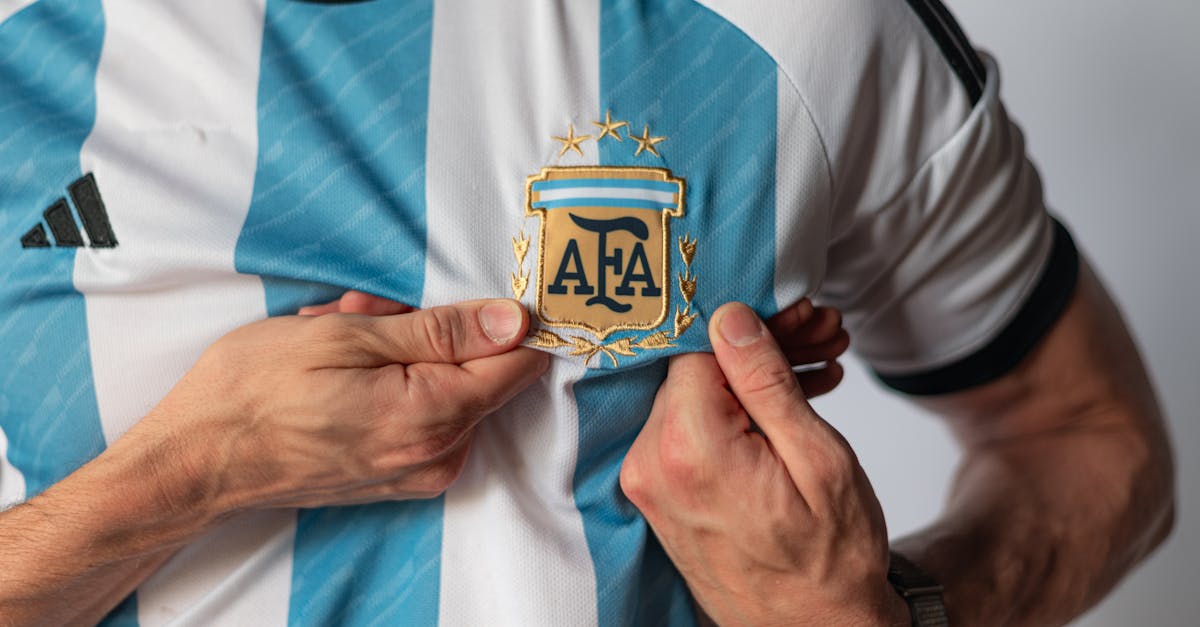
Germany’s efficiency in converting chances is often compared to Argentina’s flair and creativity. Germany, known for its disciplined structure, has a recent success rate of 75% possession in matches. Argentina, however, possesses the artistry of Lionel Messi, which can turnaround tight situations. The contrasting styles present an intriguing matchup; will Germany's methodical approach outplay Argentina's spontaneous tactics?
Honorable Mentions
As anticipation builds for the World Cup 2026, understanding the landscape is crucial for fans and bettors alike. The tournament, set to be hosted across the World Cup 2026 host countries of the USA, Canada, and Mexico, promises a unique atmosphere. For those looking to place wagers, insightful World Cup 2026 betting tips often stem from detailed football tournament predictions, analyzing team form and historical performance. Teams like England World Cup 2026, France World Cup 2026, and Argentina World Cup 2026 are consistently among the favorites, each with strong squads and proven track records, making them key focal points for any comprehensive analysis.
"Statistical analysis is instrumental in understanding the nuances of teams competing in the World Cup."
"Brazil has averaged 2.6 goals per match in their last 10 international fixtures, while France follows closely at 2.4 goals."
Last updated: 2026-02-25