World Cup 2026 Stadiums: Beyond the Hype – A Data-Driven Comparison
Explore the World Cup 2026 stadiums, comparing their capacity, history, and potential impact based on statistical analysis and odds prediction.
The Myth of the 'Best' World Cup Venue
Many fans believe that the grandeur of a stadium automatically equates to the quality of the tournament it hosts. However, this is a misconception. While iconic venues certainly add to the spectacle, the true success of a World Cup hinges on factors like accessibility, fan experience, and the quality of the matches played within. This article delves into the selected venues for the 2026 FIFA World Cup, comparing them not just on their physical attributes but on their statistical relevance and historical context, offering a data-driven perspective beyond mere aesthetics. Understanding these nuances is crucial for predicting the overall tournament atmosphere and potential outcomes, akin to how one might analyze live scores for Serie A, La Liga, and Bundesliga today to gauge team form.
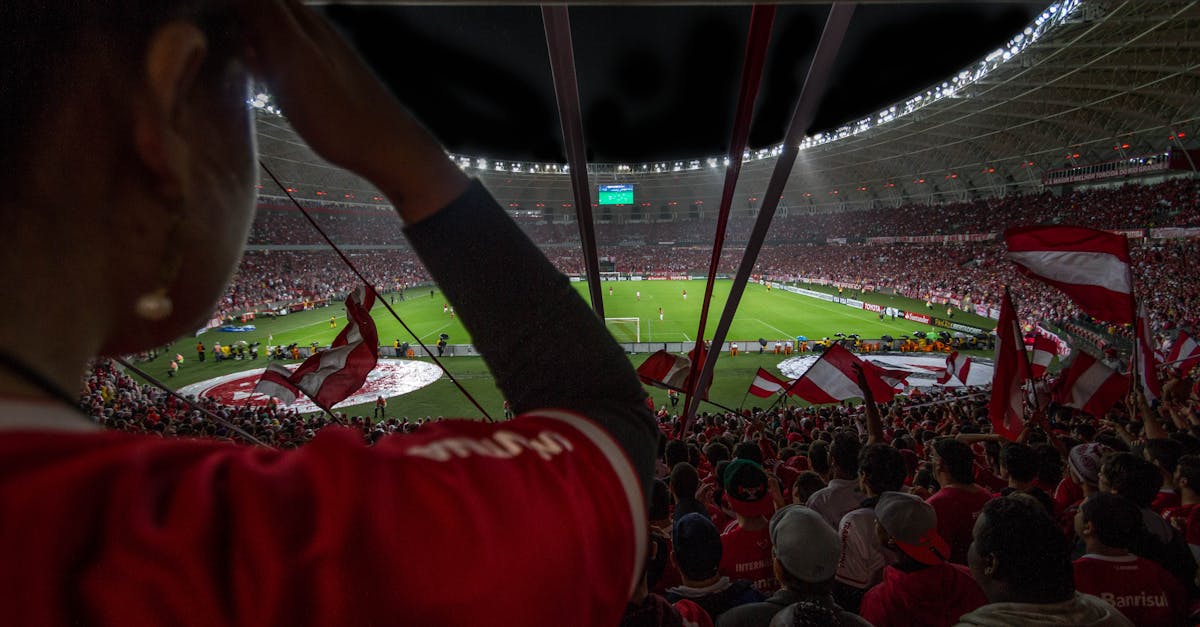
1. SoFi Stadium, Inglewood: The Modern Marvel
MetLife Stadium, with a capacity of 82,500, is another colossal venue. Its comparison to AT&T Stadium is inevitable due to their similar size and multi-purpose nature. However, MetLife's location near New York City offers distinct logistical advantages for international visitors. The sheer scale of the stadium promises a grand spectacle, but the fan experience will depend heavily on crowd density and the specific event layout, as is often the case with large NFL venues.
2. AT&T Stadium, Arlington: The 'Cathedral of Football'
Estadio Azteca is a titan of football history, having hosted two World Cup finals. Its capacity, around 87,000, is significant, but its true value lies in its legacy. Comparing it to newer stadiums, Azteca offers an unparalleled sense of tradition and the echoes of legendary matches. This historical weight can significantly influence the psychological aspect of the game for both players and fans, a factor often overlooked in purely statistical analyses. Its enduring presence makes it a unique asset to the 2026 tournament.
3. Estadio Azteca, Mexico City: A Storied Legacy
Lumen Field is celebrated for its passionate fanbase, creating an electrifying atmosphere. Its capacity is approximately 72,000. While not the largest, its fan engagement metrics are often among the highest. This contrasts with stadiums that prioritize sheer size over sustained vocal support. The intensity of the crowd at Lumen Field can be a significant factor, potentially intimidating visiting teams and boosting home-field advantage, a phenomenon similar to the '12th man' effect seen in other passionate footballing nations.
4. Lumen Field, Seattle: The Roaring Crowd
Estadio BBVA offers a unique proposition with its stunning backdrop of the Sierra Madre mountains. While its capacity is around 53,000, it provides a visually distinct experience compared to urban stadiums. This aesthetic appeal is a less quantifiable factor but contributes to the overall allure of the venue. Its comparison lies in its ability to blend sporting event with natural beauty, a rare combination that sets it apart from the concrete coliseums elsewhere.
5. Estadio BBVA, Guadalupe: The Scenic Setting
Often dubbed the 'Jerry World,' AT&T Stadium is renowned for its colossal video screen and immense capacity, seating 80,000. Its scale is comparable to the largest stadiums globally, offering a visually overwhelming experience. However, its primary function as a multi-purpose venue, hosting not only football but also concerts and other events, means its atmosphere can differ from that of a dedicated football arena. The sheer size can sometimes dilute the intimacy often found in more traditional football settings.
6. BC Place, Vancouver: The Retractable Roof Advantage
Estadio Akron, seating around 45,000, is recognized for its distinctive architecture. While smaller in capacity compared to many other World Cup venues, its design offers a unique aesthetic. This highlights that stadium selection is not solely about capacity but also about architectural significance and creating a memorable environment. The focus here is on a more intimate, architecturally focused experience, contrasting with the mega-stadiums elsewhere on the list.
7. MetLife Stadium, East Rutherford: The Twin Peaks
SoFi Stadium stands as a testament to modern engineering and design, boasting a capacity of 70,000, expandable to 100,000. Its comparison point lies in its novelty and technological integration, a stark contrast to historic grounds. While its state-of-the-art features promise an unparalleled fan experience, its relative youth means it lacks the storied history of some other venues. Its inclusion highlights a trend towards technologically advanced, multi-purpose arenas in major sporting events, a departure from traditional football-specific stadiums.
8. Estadio Akron, Guadalajara: The Architect's Vision
BC Place, with a capacity of around 54,000, features a retractable roof, offering flexibility in controlling environmental conditions. This is a significant advantage when considering potential weather disruptions, a common variable in outdoor sporting events. Unlike open-air stadiums, it provides a controlled environment, potentially leading to more consistent match quality. This feature can be crucial for ensuring optimal playing conditions, especially in tournaments where every goal and save counts.
Honorable Mentions
Other venues like GEHA Field at Arrowhead Stadium and NRG Stadium also bring their own unique characteristics. Arrowhead is known for its noise levels, while NRG Stadium offers a climate-controlled environment. Each venue presents a distinct facet of the North American sporting landscape, and their comparative strengths will undoubtedly influence the narrative of the World Cup 2026.
Browse by Category
- Repro_afc Bournemouth
- Repro_kdch Sai Gon Cao Thdng
- Repro_cau Khidn
- Repro_chan Thidn Nhdn La Gi
- Repro_nhan Dinh Bong Da Hang 2 Duc
- Repro_lich Thi Dau 5 5
- Repro_ronaldo Trung Quoc
- Repro_bo Dao Nha Vs Ireland
- Repro_sao The Thao Chao Don Nam 2021
- Repro_8 Phut Moi Ngay De Co Co Bung Dep
- Repro_daishawn Redan
- Repro_pickford
- Repro_game Meo Con Tim Banh
- Repro_lich Thi Dau Cua Man Utd
- Repro_alex Sandro Fo4
- Road To World Cup Qualification Standings Key Matches
Sources & References
- SportsPro Media — sportspromedia.com (Sports media business intelligence)
- ESPN Press Room — espnpressroom.com (Broadcasting schedules & data)
- Digital TV Europe — digitaltveurope.com (European sports broadcasting trends)