repro_tintucbongda ngoai hang anh - World Cup 2026 Stadiums: A Comparative Analysis of Host Venues
Explore the World Cup 2026 stadiums, comparing their capacity, features, and historical significance. An expert analysis of host venues with data-driven insights.
The Myth of Uniformity in World Cup Venues
Many fans believe that all stadiums selected for a major tournament like the World Cup are relatively similar in size and amenities. This is a misconception. While the FIFA World Cup 2026, co-hosted by the United States, Canada, and Mexico, aims for a grand spectacle, the selected venues present a diverse range of capacities, technological integrations, and historical contexts. Understanding these differences is crucial for appreciating the logistical challenges and unique fan experiences each location offers. ao dau doi tuyen vo dich world cup 2022 This analysis delves into the specific attributes of these stadiums, comparing them to provide a clearer picture of what to expect.
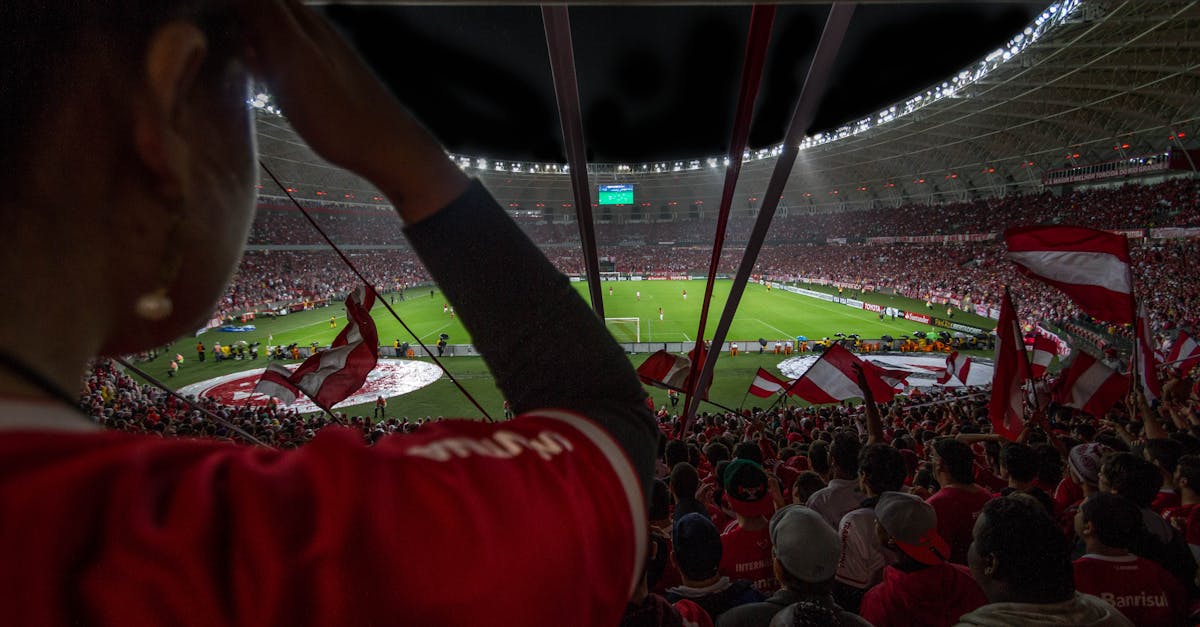
1. MetLife Stadium: The Megaproject Contender
MetLife Stadium, located in East Rutherford, New Jersey, stands as one of the largest and most modern venues. Its capacity of 82,500 makes it a prime candidate for major finals. When comparing it to other venues, its sheer scale is a significant differentiator. Unlike older, more intimate stadiums, MetLife offers a state-of-the-art fan experience, though some critics argue it lacks the historic charm found in some European counterparts. Its multi-purpose design accommodates various events, a common theme in modern stadiums chosen for global tournaments.
2. SoFi Stadium: Innovation Meets Spectacle
Arrowhead Stadium in Kansas City, Missouri, boasts a capacity of around 76,000 and is known for its capacity to generate immense crowd noise, often rivaling Lumen Field. Its comparison lies in its ability to create a formidable home-field advantage, a critical factor in any tournament setting. lch s i u cc i mnh world cup While perhaps less architecturally distinct than some other venues, its raw power and the intensity of its supporters make it a formidable site, offering a different kind of 'wow' factor rooted in fan energy rather than technological wizardry.
3. AT&T Stadium: The 'America's Team' Colossus
Lincoln Financial Field in Philadelphia, with a capacity of roughly 69,800, is another venue known for its fervent fanbase. When comparing it to other US stadiums, its strength lies in the passionate atmosphere it cultivates. While not the largest or most technologically advanced, the energy generated by the home crowd is a palpable force. This dedication to fan engagement through atmosphere is a common thread in many successful modern stadiums, differentiating them from purely functional or capacity-driven designs.
4. Estadio Azteca: A Living Legend
Seattle's Lumen Field, with a capacity of around 72,000, is celebrated for its incredible crowd noise and passionate fanbase. Its design focuses on amplifying the fan experience through acoustics, a feature often compared to the '12th Man' phenomenon in Seattle. While its capacity is substantial, it prioritizes atmosphere over sheer size or groundbreaking technology. This contrasts with venues designed primarily for maximum seating or integrated entertainment systems, showcasing how different stadiums aim to enhance the spectator experience through varied means.
5. Lumen Field: The Emerald City's Roar
Other significant venues include BC Place in Vancouver, Canada, and Estadio Akron in Guadalajara, Mexico. BC Place offers a retractable roof and a modern design, while Estadio Akron provides a different cultural flavor and historical context within Mexico's rich footballing landscape. These venues, though not the absolute largest, contribute to the tournament's geographical spread and cultural diversity, offering further points of comparison regarding fan experience and stadium identity.
6. Arrowhead Stadium: Kansas City's Powerhouse
Inglewood, California's SoFi Stadium is a marvel of modern engineering, boasting a capacity of around 70,240, expandable to over 100,000 for specific events. Its defining feature is the revolutionary videoboard that encircles the entire seating bowl. In comparison to traditional stadiums, SoFi offers an unparalleled visual experience. This technological integration sets a new benchmark, contrasting sharply with venues prioritizing historical architecture over cutting-edge digital displays. The operational costs and environmental impact of such advanced facilities are also points of comparison with less technologically driven arenas.
7. Lincoln Financial Field: Philadelphia's Passion
Home to the Dallas Cowboys, AT&T Stadium in Arlington, Texas, is renowned for its massive capacity (around 80,000, expandable to 100,000) and iconic, expansive retractable roof. Its comparison point lies in its ambition to be more than just a football stadium; it's an entertainment complex. The sheer size and the world's fourth-largest high-definition video screen are key features. While impressive, it differs from venues like Azteca, which carries immense historical weight and a more traditional football atmosphere, highlighting the dichotomy between modern entertainment hubs and culturally significant sporting arenas.
8. Raymond James Stadium: Tampa Bay's Buccaneer Bay
Raymond James Stadium in Tampa, Florida, has a capacity of around 65,890. Its unique pirate ship facade is a notable visual differentiator. While its capacity is significant, the comparison here is with venues that rely more on traditional aesthetics or sheer size. The stadium's thematic design offers a playful yet substantial environment, appealing to a different aspect of the fan experience. This focus on unique architectural elements provides a contrast to the more utilitarian or historically focused stadiums.
The diverse range of stadiums selected for World Cup 2026 underscores that 'state-of-the-art' can manifest in various forms – from cutting-edge technology to historical significance and unparalleled fan atmosphere.
Honorable Mentions
The Estadio Azteca in Mexico City is arguably the most historically significant venue for the World Cup 2026. Having hosted two previous World Cup finals, its capacity of approximately 87,523 is stee in football lore. When comparing it to newer venues like SoFi or MetLife, Azteca represents a link to the past, offering an authentic, passionate atmosphere. While it may not possess the same level of technological advancement as some American counterparts, its legacy and the raw emotion it evokes are unique selling points, providing a rich contrast in stadium 'character'.
Key Stat: The average capacity of the selected FIFA World Cup 2026 stadiums is approximately 70,000, highlighting the emphasis on large-scale venues capable of hosting massive global audiences.
Browse by Category
- Repro_ronaldo Lien Tuc Om Mat Trong Ngay Juventus Bi Loai
- Repro_dortmund Vs Wolfsburg
- Repro_doi Tuyen Nhat Ban
- Repro_nhuongve
- Repro_elin Nordegren
- Real Time Basketball Scores And Team Performance Statistics
- Repro_gai Vip
- Repro_nhdng Trang Web Thu Vd Nhdt
- Repro_fo4 World Cup
- Repro_toyota Mekong Club Championship 2017
- Repro_nhdng Kenh Trdc Tidp Bong Da Hdm Nay
- Repro_chi So Phu
- Rise Of Analytics How Advanced Stats Changing Nba
- Repro_bui Tidn Ddng Sai Ldm
- Repro_chelsel
- Repro_an Ik Soo Bao Bong Da
- Repro_lucas Gomes
Sources & References
- Digital TV Europe — digitaltveurope.com (European sports broadcasting trends)
- Sports Business Journal — sportsbusinessjournal.com (Sports media industry analysis)
- Broadcasting & Cable — broadcastingcable.com (TV broadcasting industry data)
Frequently Asked Questions
Q: Which cities will host matches for the FIFA World Cup 2026?
A: The FIFA World Cup 2026 will be jointly hosted by Canada, Mexico, and the United States. A total of 16 cities across these three North American nations have been selected to stage the tournament's matches. Read more →
Q: How many stadiums are designated for the 2026 World Cup?
A: A total of 16 stadiums have been chosen to host games for the FIFA World Cup 2026. These venues are spread across the 16 selected host cities in Canada, Mexico, and the United States. Read more →
Q: Are there any new stadiums being built specifically for World Cup 2026?
A: While some stadiums will undergo renovations and upgrades, the tournament primarily utilizes existing, world-class venues. The focus is on leveraging established infrastructure rather than building entirely new stadiums for the event. Read more →
Q: What is the capacity of the stadiums hosting World Cup 2026 matches?
A: The selected stadiums vary significantly in capacity, with some capable of holding over 80,000 spectators. These large capacities are designed to accommodate the massive global audience expected for the World Cup. Read more →
Q: What is the significance of the Estadio Azteca in Mexico City for World Cup 2026?
A: The iconic Estadio Azteca in Mexico City is set to make history as the first stadium to host matches in three different FIFA World Cups. It previously hosted finals in 1970 and 1986. Read more →
Explore More Topics (15)
- Football Match Replay
- Repro_ddi Hdi Thd Thao Chau A 2014
- Lch Bc Thm Vng Loi World Cup 2026
- How Repro Affects Player Engagement And Retention
- Repro_le Nhdt Quang
- Football Results Live Scores
- Tin Tuc Tai Sao Lai Cam Chi Em Phu Nu Iran Xem Bong Da T38820
- Ultimate Guide Watching Major Football Tournaments
- Repro_cup 78
- Repro_bong Da Wap Livescore
- Analyzing The Midfield Maestro Who Controls The Tempo
- Repro_ldch Chung Kdt C1 2017
- Repro_wentworth
- Repro_xe Khung
- Repro_chan Thidn Nhdn La Gi