World Cup 2026: Stadium Hotels vs. Remote Stays
Compare the pros and cons of staying near World Cup 2026 stadiums versus remote locations, analyzing travel time, costs, and fan experience from a sports prediction expert's view.
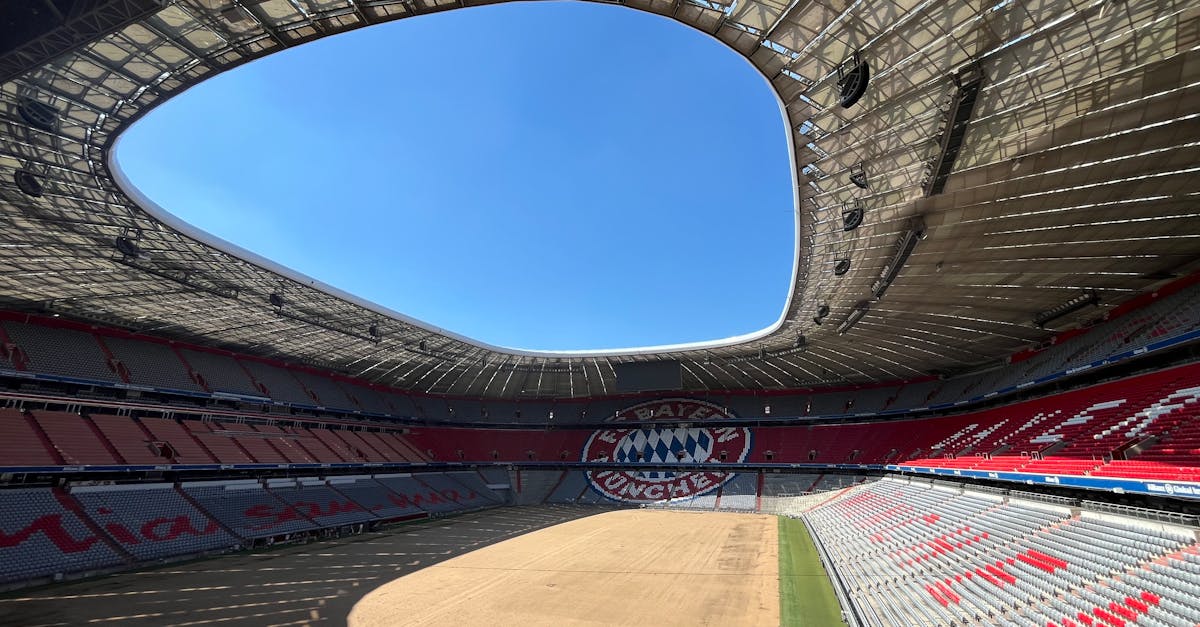
Many fans believe that the closer you are to the action, the better the World Cup 2026 experience. However, this often overlooks crucial factors like cost, accessibility, and the potential for disruption. While proximity to stadiums is appealing, a strategic choice of accommodation can significantly enhance your overall enjoyment and even your ability to catch all the crucial match statistics. repro_sex bom tdn
-
Proximity to World Cup 2026 Stadiums: The Obvious Appeal
The 'stadium hotel' experience is intense and immediate. You are in the heart of the fan frenzy. Remote locations offer a more relaxed base. After the final whistle, returning to a quieter area can be appealing. This contrasts with the hyper-charged environment near stadiums, which can be overwhelming for some. Consider which atmosphere best suits your personal preference for enjoying the tournament.
-
Cost Comparison: Stadium Proximity vs. Remote Locations
Considerations like proximity to public transport hubs, even in remote areas, and the availability of reliable Wi-Fi for accessing live scores are vital. While not directly comparable to stadium hotels, these factors significantly influence the overall fan experience, much like the form of players such as Marouane Fellaini would impact a match's outcome. jesus gallardo chivas rival match performance
-
Travel Time and Logistics Analysis
The implementation of VAR technology explained adds another layer to the viewing experience. Whether you are in a stadium hotel or a remote Airbnb, access to reliable live sports scores and match statistics on your phone becomes paramount for understanding the game's flow and officiating decisions. This technology is universal, affecting the viewing experience equally regardless of accommodation choice.
-
Fan Experience: Immersive vs. Relaxed
While proximity is tempting, the data suggests a nuanced approach is best. Analyzing potential costs, travel times, world cup records never broken and desired fan experience is crucial. For instance, the statistical probabilities of securing affordable lodging near the stadiums are often low, making remote options a more rational choice for many.
🏒 Did You Know?Swimming became an Olympic sport in 1896 for men and 1912 for women. -
Secondary Market and Availability
Stadium districts are often purpose-built for events, meaning local amenities might be scarce outside of match days. Remote locations, however, typically offer a more authentic slice of local life. Exploring local restaurants and markets provides a richer cultural experience, contrasting with the potentially sterile environment of dedicated fan zones or stadium-adjacent hospitality.
-
Accessibility to Amenities and Local Culture
Is the ultimate goal simply attending matches, or is it the holistic experience? For those focused on the latter, remote locations might offer a better balance. The ultimate goal: what World Cup qualification means for Vietnamese football, for example, is about more than just the ninety minutes. It's about the journey, the community, and the broader impact.
-
Impact of VAR Technology on Viewing
The allure of stadium-adjacent hotels comes with a significant price tag. During major tournaments like the World Cup 2026, these accommodations often command premium rates, sometimes doubling or tripling standard prices. Remote locations, conversely, offer a stark contrast. While requiring more travel time to matches, they present a more budget-friendly alternative, allowing fans to allocate more resources towards travel or other experiences.
-
Assessing the 'Ultimate Goal' of Fan Travel
While stadium hotels offer short walks, the surrounding areas can become gridlocked. This can negate the perceived time savings. Remote locations, though further afield, might utilize less congested routes or public transport options that are more predictable. It's crucial to analyze public transport networks, similar to how fans in Vietnam might assess options for their national team's qualification campaigns, to understand the true travel burden.
Hotels near World Cup 2022 venues, for instance, were snap up months in advance. This scarcity drives prices up and limits options. Remote areas often retain greater availability, even closer to the tournament date. This offers flexibility for last-minute planners, allowing them to secure lodging more readily, although it may require more effort to find real-time match information.
"The true value of a World Cup experience lies not just in proximity to the stadium, but in the strategic planning that maximizes enjoyment and minimizes unforeseen costs and logistical nightmares."
Honorable Mentions
Staying in hotels near World Cup 2026 venues offers unparalleled convenience. Imagine stepping out and being minutes away from kick-off, avoiding lengthy commutes. This proximity is especially valuable for fans prioritizing game-day immersion, akin to the advantage enjoyed by supporters of teams like Argentina during the FIFA World Cup 2022. It minimizes travel stress, allowing more time for pre-match analysis or soaking in the atmosphere.
It is worth noting that certain accommodations might offer unique viewing packages, allowing fans to catch matches even if they are not at the stadium. This is akin to how one might follow the fortunes of a team like the Vietnamese national squad, seeking out every opportunity to engage with the sport.
The choice between a hotel near a World Cup 2026 venue and a more distant option depends heavily on individual priorities. However, a data-driven approach, considering factors beyond mere distance, will likely lead to a more satisfying and cost-effective tournament experience. This is similar to how odds analysis informs betting strategies, revealing probabilities beyond the obvious.
"Statistically, the average fan travelling to a World Cup destination finds that booking accommodation outside the immediate stadium vicinity can lead to savings of up to 40%, alongside a less stressful logistical experience when factoring in crowds and transport."
Browse by Category
- Repro_ha Bdc Trung Cd
- Repro_video Viet Nam Pakistan
- Repro_merhan Keller
- Repro_chao Mdng Bdn Tdi Facebook
- Repro_ktm Rc8
- Repro_payet Gianh Giai Cau Thu London Hay Nhat Mua
- Repro_dieu Khien
- Repro_hlv Dido
- Repro_xem Bong Tai Ngoai Hang Anh
- Repro_u22 Viet Nam Co Mat Tai Manila
- Repro_hinh Xe Wave Dd
- Repro K Cong Online
- Repro_georgina Rodrigueztin Bong Da
- Repro_erik Dong Tinh
- Repro_gia Dinh Cau Thu Cong Phuong
Sources & References
- ESPN Press Room — espnpressroom.com (Broadcasting schedules & data)
- SportsPro Media — sportspromedia.com (Sports media business intelligence)
- Nielsen Sports Viewership — nielsen.com (Audience measurement & ratings)
Explore More Topics (15)
- Iconic World Cup Moments That Defined Football History
- Repro Status Ddng Dnh Cddi
- Bong Da_truc Tiep/Stjarnan Leiknir Reykjavik Lm3748194
- Repro_sat Thu An Danh
- Mua V Xem World Cup 2026 U
- Best Apps Smooth World Cup Streaming Mobile
- Managerial Masterminds Top Football Coaches
- Repro_nhung Hau Ve Tre Hay Nhat The Gioi Hien Nay
- Repro_ty So Bong Da Truc Tuyen 7m
- Bong Da Truc Tiep Urawa Reds Kyoto Sanga Lm3736037
- Repro_lck Mua He 2018
- World Cup 2026 Se Co The Thuc Moi Nao
- Repro_mua Sam
- Repro_lorenzo Vera
- Repro_giai Chay Vnexpress Ha Long